Scene 6 – Massah

Judgment. Temptation. Rage. Redemption.
In Miriam’s Story, Scene 6 delves deep into the complexities of leadership, faith, and the tension between divine law and human nature. Moses, once a reluctant leader, now stands at a crossroads, tasked not only with guiding a people toward freedom, but with establishing order and justice in their newfound liberty.

Burden of Leadership
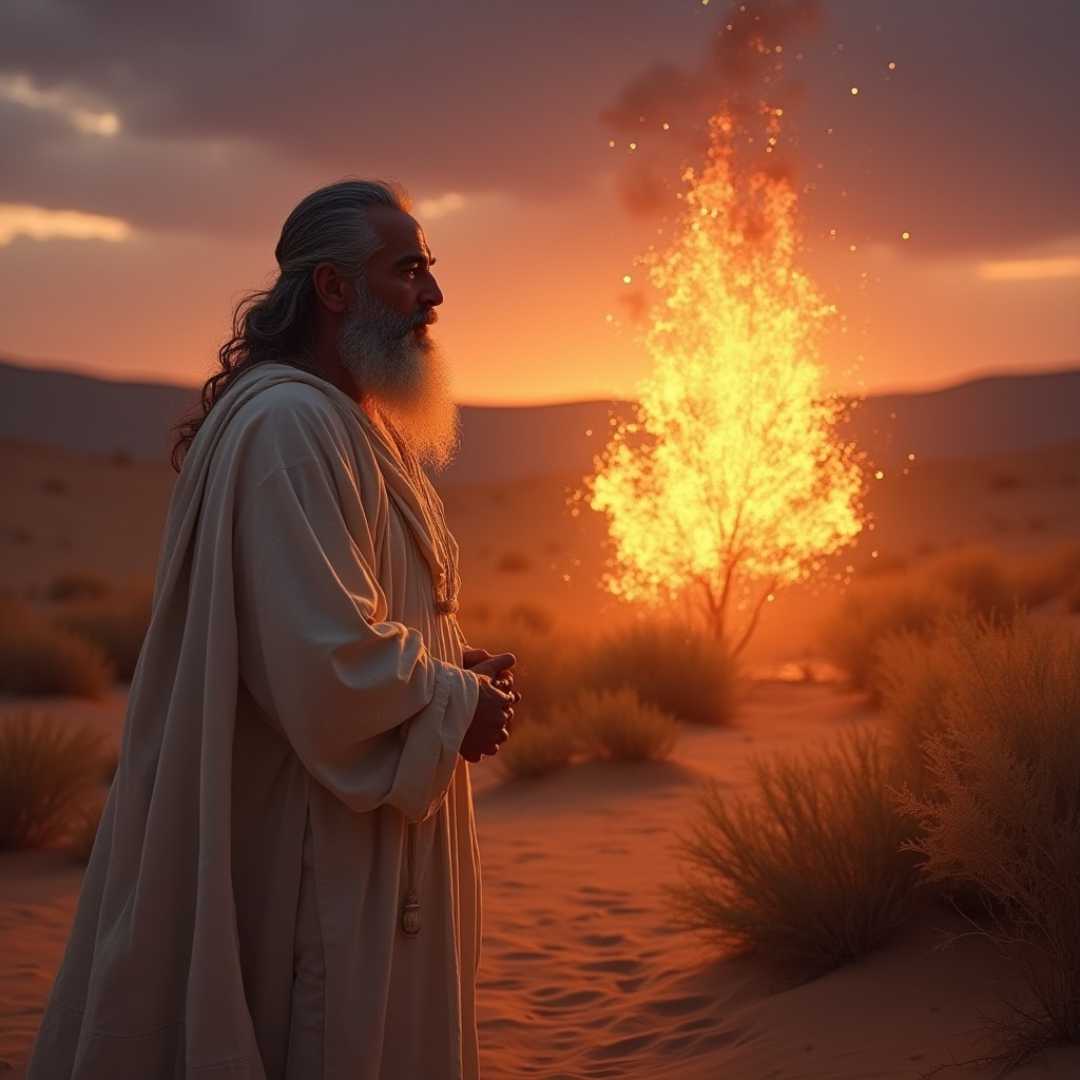
The scene begins with Moses overwhelmed by the responsibility of leading the Hebrews. The people, desperate and disorganized, bring their disputes to him—flooding him with requests for judgment on every matter. Tension builds within the music as Moses struggles with the weight of their needs. His solo passages reflect his isolation, his growing frustration, and his search for guidance.
Recognizing his inability to handle the burden alone, Moses turns to a solution. With the help of his deputies, the administrative load begins to shift. Delegating responsibility becomes a key moment of growth for both Moses and the people, as a sense of structure begins to take form.
Redemption – Clips
Scene 6 of Miriam’s Story is about the failure of human impulse, the anger that arises from broken trust, and the hope that redemption can come from genuine repentance. The destruction of the tablets and the return to the mountain represent the emotional core of the oratorio: a people learning the cost of disobedience — and the grace of forgiveness.
Scene 6 – Excerpt 1
Opening unrest
Scene 6 – Excerpt 2
Emotional escalation
Scene 6 – Excerpt 3
Choral and narrative momentum
Scene 6 – Excerpt 4
Human anger and fracture
Scene 6 – Excerpt 5
Reflection and repentance
Scene 6 – Excerpt 6
Redemption and resolution
Oratorio – Resources for sale & hire
Terms *
- Audio files of complete oratorio Free on booking performance
Hire: - All scores must be devoid of marks on return.
- Hired vocal scores and chorus only scores may be hired and retained, the financial difference between hire cost and purchase price can be paid instead of returning the physical scores.
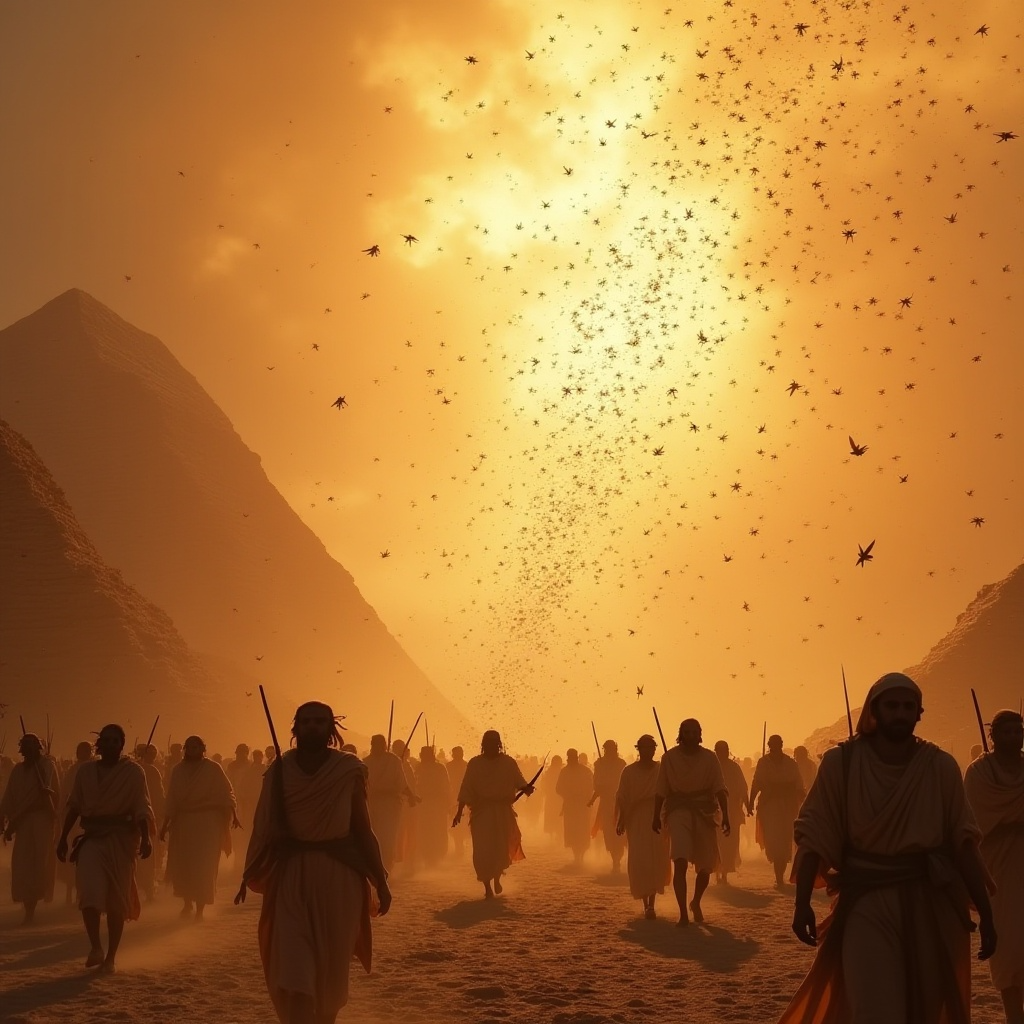
The Children of Israel reach the shores of the Red Sea.
A Divine Consultation
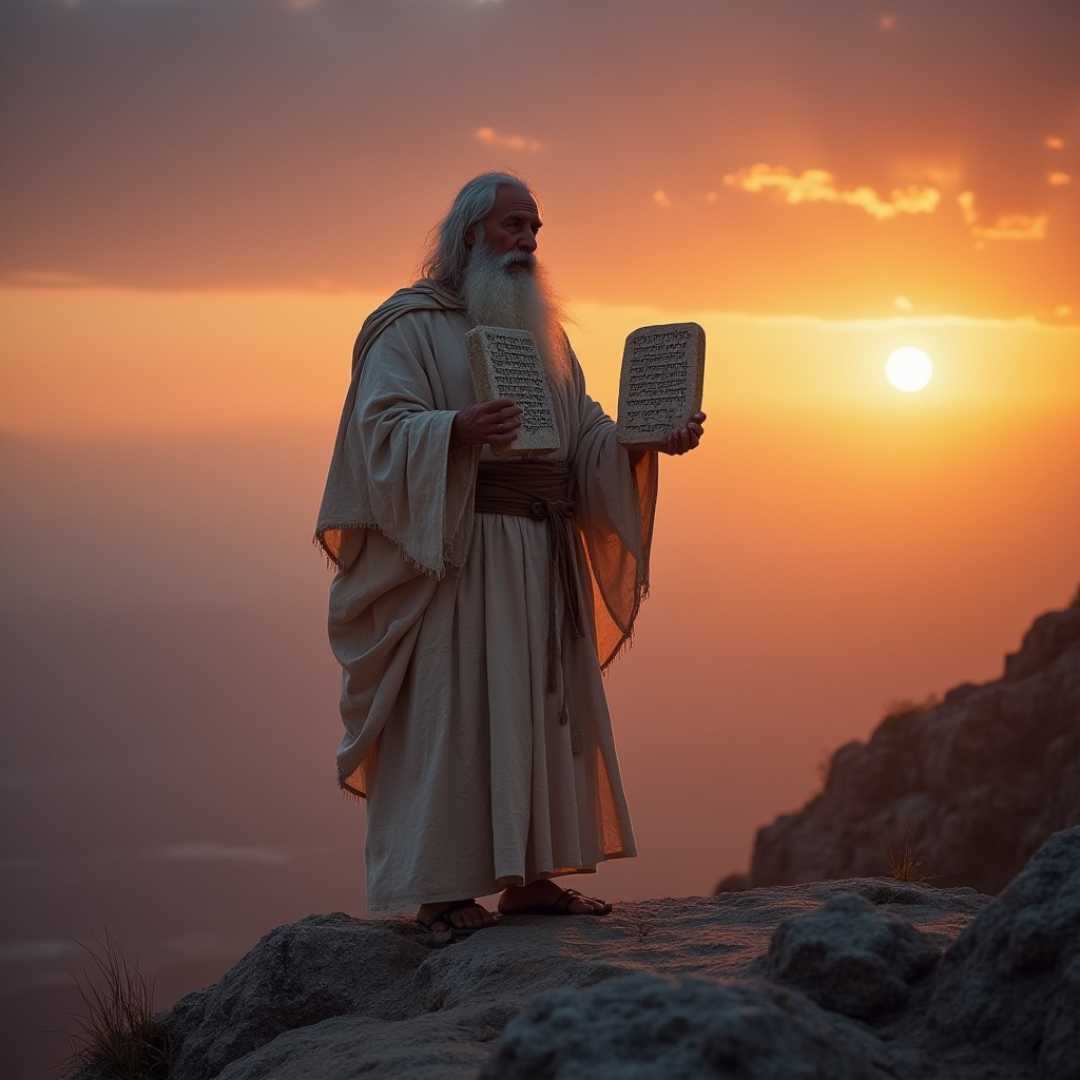
Seeking divine guidance, Moses ascends to the summit of the mountain, a moment marked by soaring orchestration and choral reverence. The music shifts from the heaviness of leadership to the solemnity of communion with God. On the mountaintop, Moses receives the Ten Commandments, a divine code meant to guide the people in their new life of freedom.
These commandments — delivered in sacred tones — serve as a foundation for a just society. Through Miriam’s voice, we hear the reverence with which the Hebrews accept these divine laws. They are more than rules; they are a covenant — a promise of a just and holy life.
The Idolatry of the Golden Calf
But while Moses is away, temptation arises.
In his absence, the people grow restless. Their faith falters, and in a moment of weakness, they create an idol — a golden calf — and bow before it in worship. The music turns darker, marked by dissonant brass and a rhythmic frenzy that symbolizes the chaos of idolatry. Through Miriam’s narrative, we see the confusion, the misplaced faith, and the dangerous allure of false gods.
Moses’ Return and Wrath
Moses returns from the mountain, holding the tablets of stone — the Ten Commandments — but when he sees the people worshipping the golden calf, his anger erupts. In a violent burst, Moses smashes the tablets in a fit of rage. The music crashes in a dissonant and chaotic climax, mirroring Moses’ intense frustration and heartbreak.
This dramatic outburst is followed by a turning point — the realization that the people’s disobedience has broken the very covenant they were given. Moses’ fury and sorrow are felt in every note, every chord.
A New Covenant
However, Moses does not turn away from his people. Instead, he returns to the mountain, seeking forgiveness and redemption. The music grows solemn once more as Moses climbs higher, pleading with God for mercy. The tension of his solo interlude is full of emotion: grief, repentance, and hope.
When Moses returns, he brings with him a new set of tablets, bearing the Ten Commandments once more. This time, the mood is one of resolution. The Israelites, humbled by their mistake, accept these laws with renewed reverence. The Commandments now represent not just a legal code, but a means to restore their covenant with God.
Through Miriam’s eyes, we witness the growing understanding that freedom is not just an escape from oppression — it is a responsibility. The laws Moses brings are not mere rules; they are the foundation of a just society and a covenant between the people and their God.